Warehouses have changed dramatically. What was once primarily a space for storing products has become a highly active part of the modern supply chain. Automated handling systems, refrigeration, lighting, security systems, office facilities, electric vehicles and increasingly sophisticated logistics technology all depend on a reliable supply of electricity.
As warehouse operations become more energy intensive, controlling those costs is becoming just as important as controlling stock, transport and labour costs.
This is where battery storage for warehouses can provide a valuable commercial advantage.
Rather than relying entirely on electricity from the grid as and when it is needed, warehouse operators can store energy and use it when it provides the greatest financial or operational benefit. When combined with solar PV, EV charging and intelligent energy management, battery storage can become an important part of a modern warehouse energy strategy.
At Close Cooper Renewables, we help businesses develop tailored energy solutions that bring renewable generation, battery storage and smarter energy management together. Our C&I storage systems are designed for complex commercial environments, including sites with solar, EV charging, process loads and critical systems.
Why Energy Management Matters in Warehousing
A warehouse may appear relatively simple from the outside but its energy profile can be surprisingly complex.
Lighting may operate for extended hours. Automated machinery can create significant demand. Refrigerated warehouses require continuous cooling. Office areas have their own heating, lighting and IT requirements, while electric delivery vehicles and forklifts may add another substantial load.
The timing of this demand matters.
A warehouse can experience periods of relatively low consumption followed by sharp increases when equipment starts, vehicles are charged or operations move into a particularly busy period.
Battery storage gives businesses another way to manage these fluctuations.
What Battery Storage for Warehouses Actually Does
A commercial battery energy storage system stores electricity so that it can be used later.
That electricity could come from solar panels installed on the warehouse roof or it could be purchased from the grid during a period when electricity is more economical.
The stored energy can then be discharged when warehouse demand increases or when grid electricity becomes more expensive.
This creates flexibility that a traditional electricity supply cannot provide.
Instead of simply accepting the timing of energy costs, businesses gain greater control over when they draw electricity from the grid.
Turning a Warehouse Roof Into an Energy Asset
Large warehouses often have substantial roof areas that can be suitable for solar PV.
Solar panels can generate significant amounts of electricity during daylight hours, helping reduce the amount of power that needs to be purchased from the grid.
However, the warehouse may not always consume all of the electricity being generated.
Battery storage provides a way to capture that surplus energy.
Instead of exporting excess solar electricity, the warehouse can store it and use it later. This could be particularly valuable during evening operations, overnight activity or periods when warehouse demand increases after solar generation has fallen.
This combination can help businesses get more value from their solar investment.
Reducing Peak Electricity Demand
Warehouse energy consumption is not always consistent throughout the day.
Automated equipment, refrigeration, charging infrastructure and other systems can create short periods of high demand.
These peaks can increase electricity costs, particularly where commercial tariffs are affected by maximum demand.
Battery storage can help smooth these peaks by supplying stored electricity when demand rises.
This approach can reduce the amount of electricity being drawn from the grid at high demand moments and potentially lower associated costs.
For large logistics facilities, where multiple energy intensive systems can operate simultaneously, managing peak demand can be an important part of the overall energy strategy.
Supporting Refrigerated Warehouses
Cold storage and food distribution facilities have particularly demanding energy requirements.
Refrigeration systems need to operate consistently, often around the clock. This creates a significant and relatively continuous electricity requirement.
Battery storage can provide additional flexibility by allowing stored electricity to support refrigeration loads during selected periods.
When combined with solar generation, the system can also store surplus renewable electricity for later use.
For businesses where refrigeration is critical to protecting stock, battery storage can provide another layer of energy resilience, subject to the system design and the site’s backup requirements.
Making EV Charging More Manageable
The growth of electric vehicles is creating another challenge for warehouse and logistics operators.
Delivery vans, company vehicles, forklifts and larger commercial fleets may all require charging infrastructure.
If several vehicles charge simultaneously, electricity demand can increase significantly.
Battery storage can help manage this additional demand by supplying stored energy during charging periods rather than requiring all of the power to come directly from the grid.
Close Cooper Renewables’ C&I storage solutions can support EV charging hubs as part of an integrated energy system.
This becomes particularly valuable for logistics businesses planning to expand their electric fleet.
Creating a More Resilient Logistics Operation
Modern supply chains depend on continuity.
A power interruption can affect warehouse automation, refrigeration, lighting, security systems, IT infrastructure and loading operations.
The resulting disruption can quickly affect deliveries and customer service.
Battery storage can provide an additional layer of resilience by supporting critical systems during suitable power interruptions, depending on the configuration of the installation.
Close Cooper Renewables highlights backup power and operational resilience as key benefits of its commercial and industrial battery storage solutions.
For businesses operating time sensitive logistics networks, energy resilience can therefore have a value that goes beyond the electricity bill.
Smarter Charging and Discharging
Installing a battery is only part of the solution.
The real value comes from how intelligently it is operated.
A modern energy management system can consider site demand, solar generation, weather forecasts and electricity tariffs when deciding how the battery should operate.
Close Cooper Renewables’ integrated energy management approach can automate battery dispatch, create time of use schedules, establish peak shaving limits and define backup priorities.
This means the battery can become an active part of the warehouse’s energy strategy rather than simply acting as a static reserve of electricity.
The Business Case Goes Beyond Energy Bills
Reducing electricity costs is an obvious reason to consider battery storage but warehouse operators should look at the wider commercial picture.
A well designed system can potentially help businesses:
– Reduce peak demand
– Increase solar self consumption
– Improve energy resilience
– Manage EV charging demand
– Reduce reliance on grid electricity
– Support sustainability objectives
– Improve control over energy expenditure
The financial case will depend on each warehouse’s electricity consumption, tariffs, operating hours, renewable generation and system design.
That is why a detailed assessment should come before selecting a battery.
Why Every Warehouse Needs a Different Approach
A small distribution warehouse operating during standard business hours will have very different energy requirements from a 24 hour refrigerated logistics centre.
Factors such as building size, operating schedules, refrigeration, automation, solar generation, EV charging and future expansion all need to be considered.
Battery capacity should therefore be selected according to the warehouse’s actual energy profile.
Close Cooper Renewables takes a tailored approach to C&I storage, with solutions designed around the specific requirements of each site rather than relying on a standard package.
Why Choose Close Cooper Renewables?
Energy storage should form part of a wider business strategy.
Close Cooper Renewables offers a range of renewable energy services including solar PV, battery storage, EV charging, C&I storage and service and maintenance.
This broader capability allows businesses to consider how different technologies can work together.
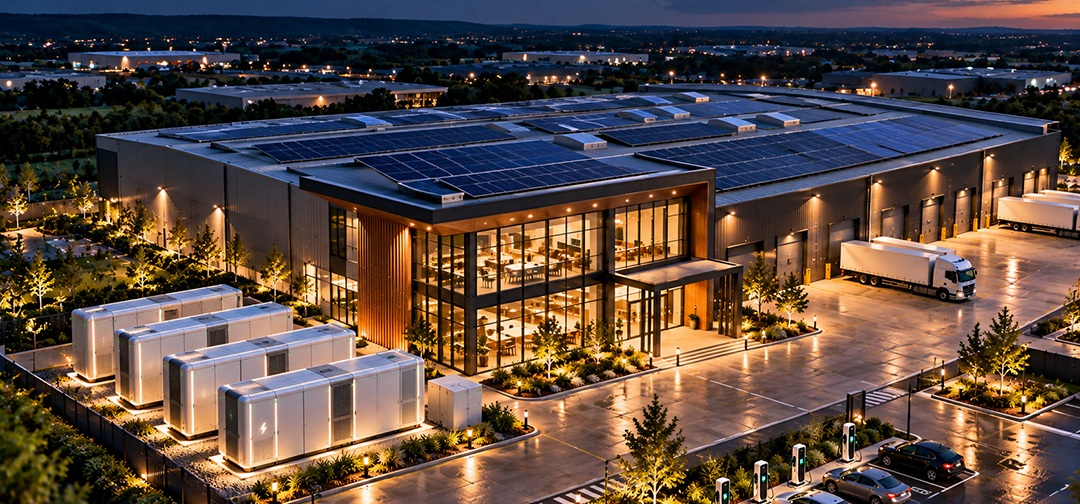
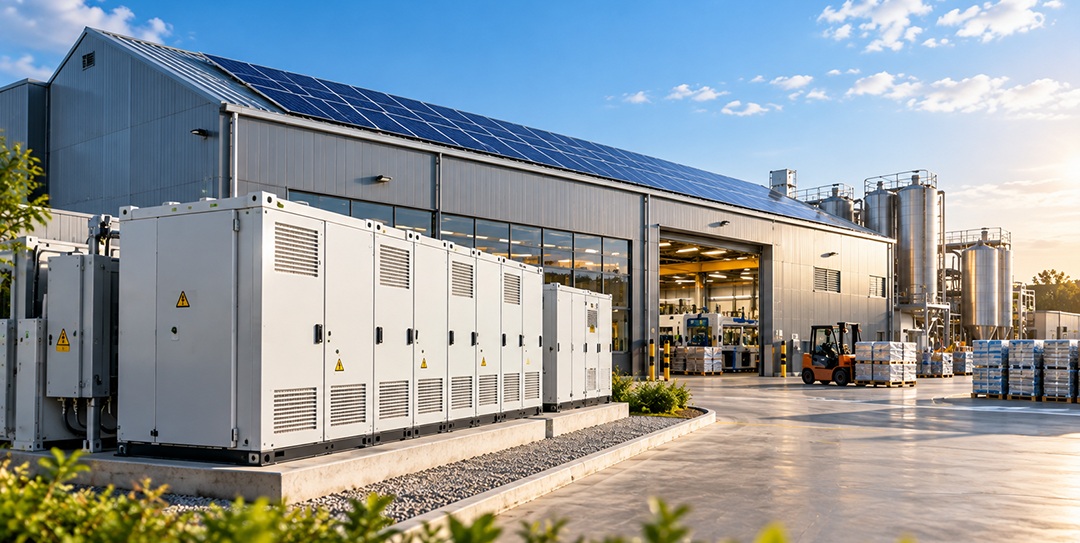
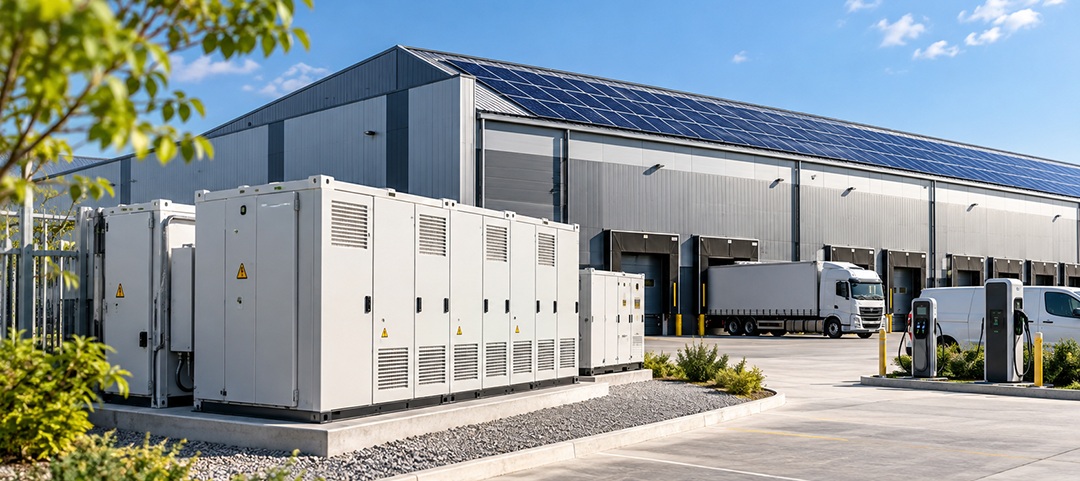
For a warehouse, that could mean solar generation on the roof, battery storage beside the building, intelligent energy management and EV charging infrastructure all working as part of one connected energy strategy.
The objective is simple. Make better use of energy while improving long term commercial performance.
Preparing Warehouses for the Next Stage of Logistics
Warehousing will continue to become more automated, connected and energy dependent.
Electric fleets will grow. Automation will increase. Refrigeration requirements will continue to matter. Businesses will face ongoing pressure to control costs and reduce carbon emissions.
Energy infrastructure therefore needs to evolve alongside the warehouse itself.
Battery storage for warehouses provides businesses with greater flexibility over when electricity is generated, stored and consumed. Combined with renewable generation and intelligent energy management, it can help create a more resilient and commercially efficient operation.
Make Your Warehouse Energy Work Harder
Battery storage is not simply about installing batteries beside a warehouse.
It is about creating a smarter relationship between energy generation, storage and consumption.
For businesses with significant electricity demand, solar PV, EV charging, refrigeration or automated operations, the right energy storage strategy could provide opportunities to reduce costs, improve resilience and make better use of renewable energy.
Close Cooper Renewables can assess your site’s requirements and help you understand where battery storage could fit into your wider energy strategy.
If you want to explore battery storage for warehouses and discover how a tailored system could support your operation, contact Close Cooper Renewables to discuss your requirements.