
CloseCooper Renewables made everything so easy—from install to aftercare. Would recommend to anyone switching to solar.
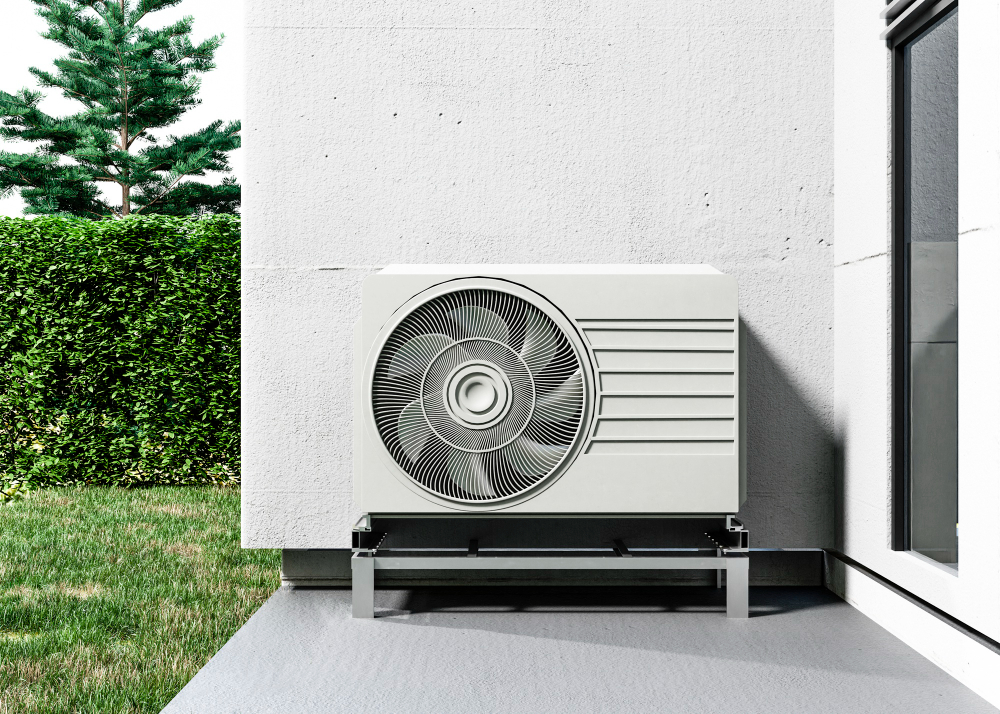
A heat pump is a low-carbon heating system that transfers heat from the air, ground, or water into your home and hot water system. It works like a reverse fridge, using electricity to move heat rather than generate it.
A heat pump extracts heat from an outside source (air, ground, or water), compresses it to a higher temperature, and then transfers it indoors to heat your home and water.
The most common are air source heat pumps (which draw heat from the air) and ground source heat pumps (which draw heat from underground pipes). Water source heat pumps are less common but work in a similar way.
Yes. A well-installed heat pump can produce 3–4 units of heat for every 1 unit of electricity it uses, making it far more efficient than traditional electric or gas heating.
Yes. Modern heat pumps can operate efficiently even in sub-zero temperatures, although they may work slightly harder in extreme cold.
No. A heat pump can fully replace a boiler for heating and hot water, but your system will need to be designed for it — often with larger radiators or underfloor heating.
A heat pump typically lasts 15–20 years with proper maintenance.
Heat pumps work best in well-insulated properties. If your home is draughty, improving insulation first will help you get the most from the system.
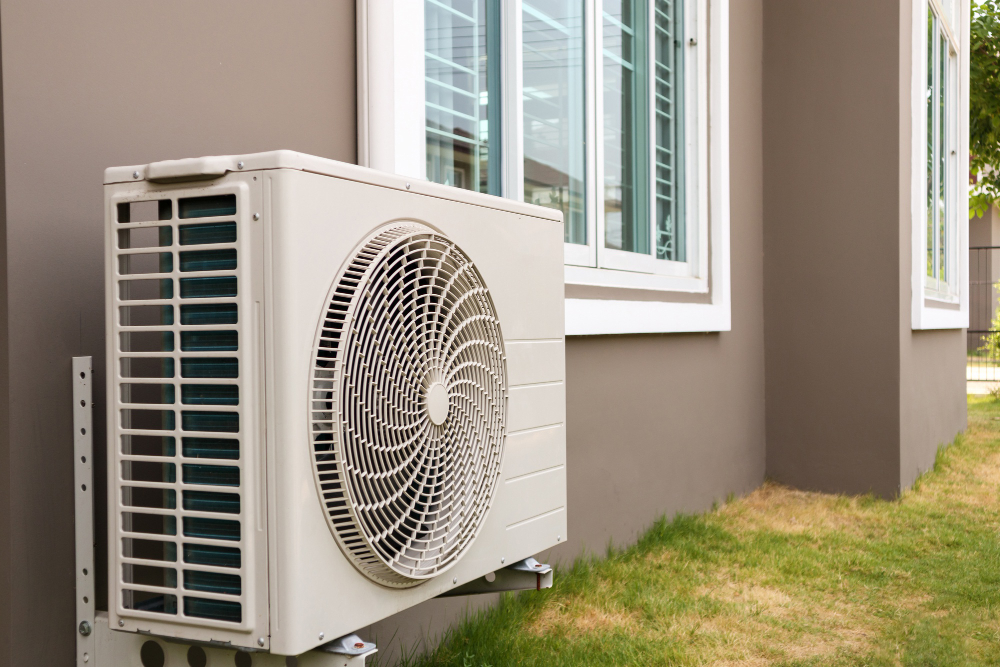
In 2022, CloseCooper Renewables collaborated with WWF and ScottishPower to spotlight the advantages of embracing low carbon technologies. Their research emphasized the importance of diversifying investments, showing that air source and ground source heat pumps deliver the most significant financial benefits.
Implementing these heat pumps can increase your Ripon property's value by £4,500 to £8,000, translating to a substantial rise of 1.7% to 3.0%. Moreover, compared to traditional gas boilers, heat pumps can lead to annual energy bill savings of approximately £117.


