
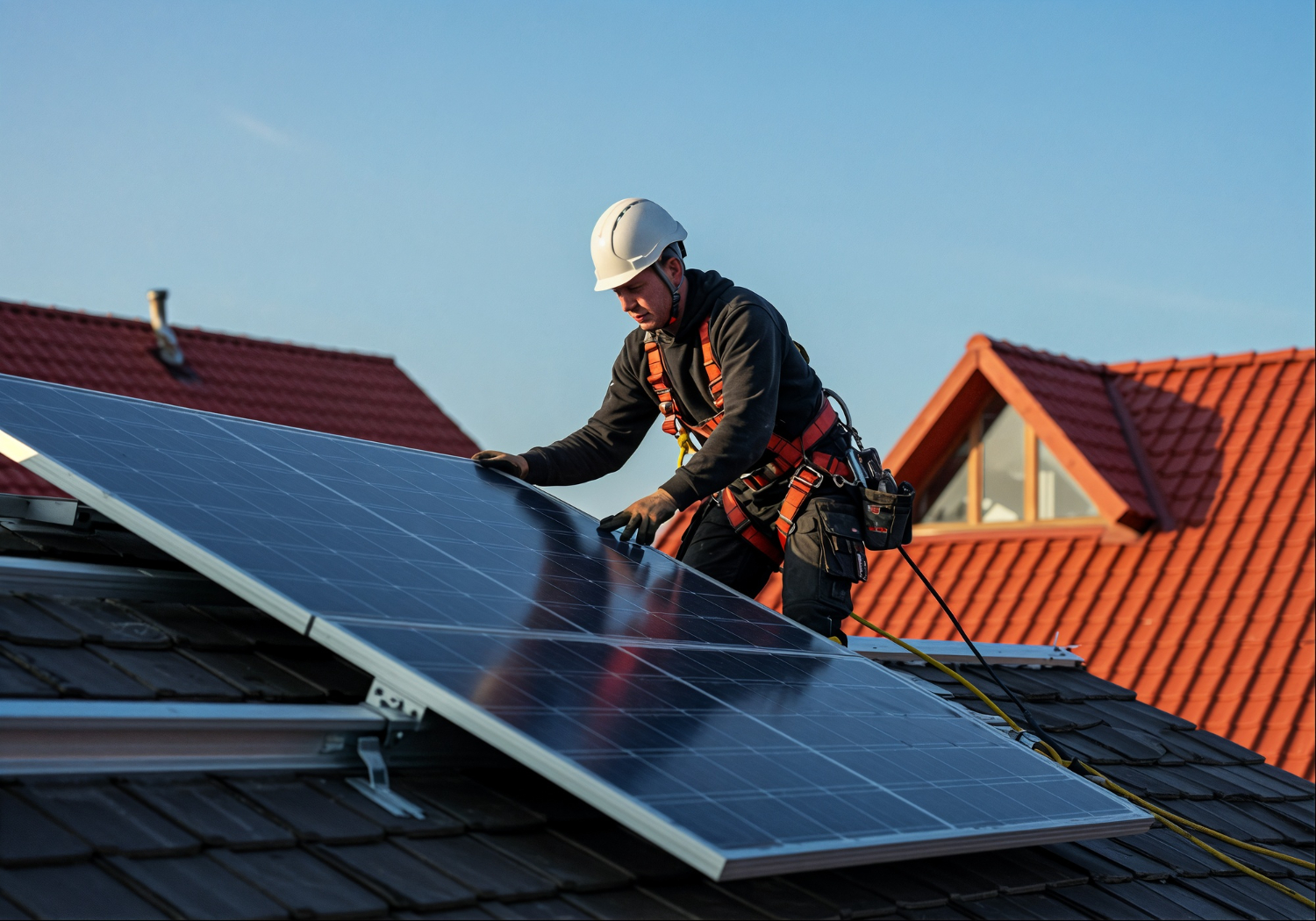
CloseCooper Renewables made everything so easy—from install to aftercare. Would recommend to anyone switching to solar.
Yes — solar panels still generate electricity even on cloudy days. While output is higher in summer, modern solar panels are efficient enough to produce usable energy year-round in the UK.
Savings vary, but the average UK household can save between £300–£1000 a year, depending on usage, roof size, location, and whether a battery is installed
Not directly — solar panels only generate electricity during daylight hours. To use solar power at night, you'd need a solar battery to store excess energy for later use.
Most panels come with 25-year performance warranties, but they can continue generating electricity for 30+ years, albeit at reduced efficiency over time.
The SEG allows you to sell excess electricity back to the grid. Energy suppliers offer payments per kilowatt-hour (kWh) you export — usually between 5p–20p per kWh.
In most cases, no — installing solar panels is considered permitted development in the UK. Exceptions include listed buildings or properties in conservation areas.
Yes — solar panels can be mounted on flat roofs using angled brackets to ensure they capture enough sunlight.
A typical domestic system (3–4kW) costs around £5,000–£7,000, depending on system size and installation complexity. Adding a battery increases the cost but boosts energy savings.
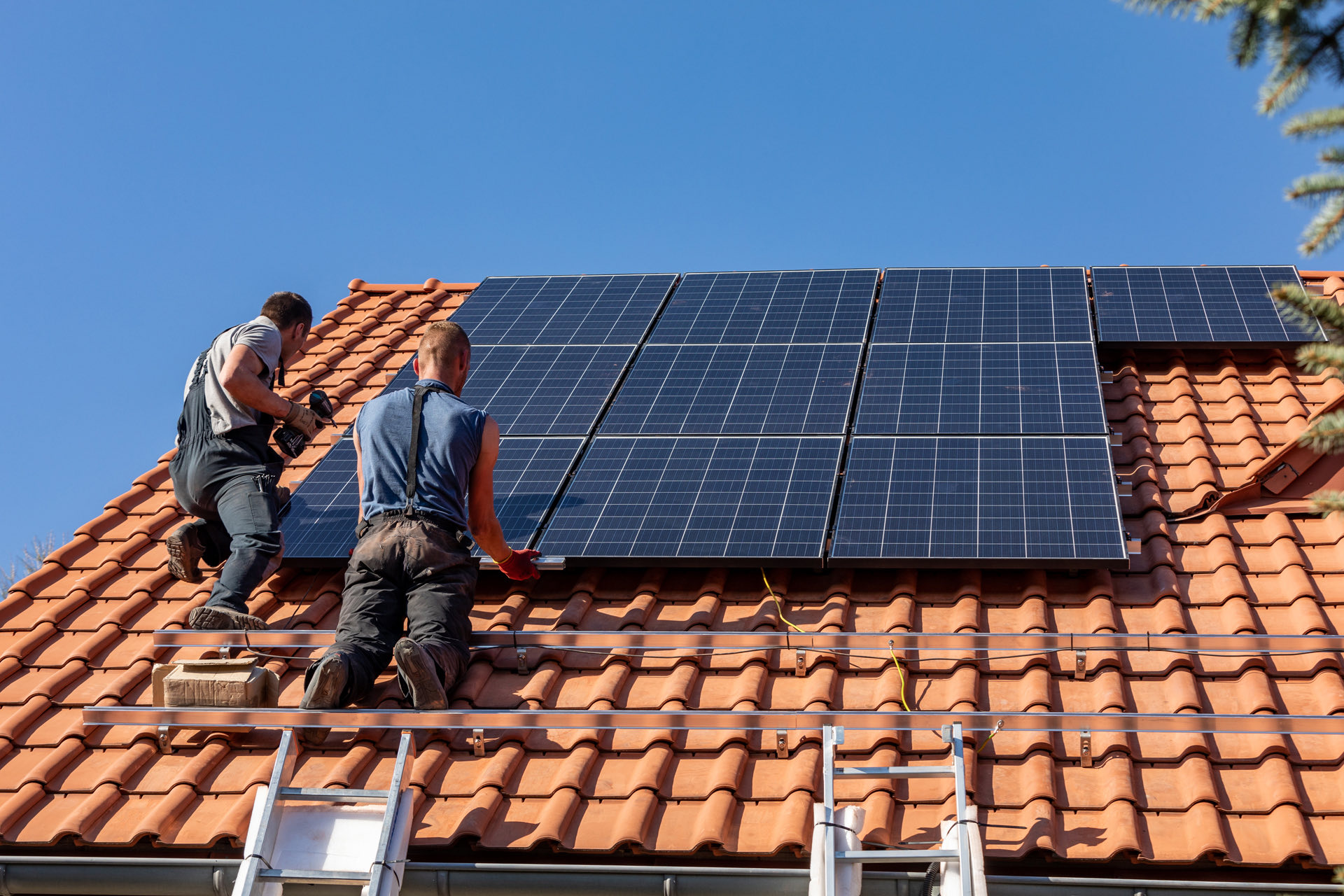
Switching to solar panels can significantly cut your energy expenses. With a 4kWp solar installation and the 5.5p/kWh Smart Export Guarantee (SEG) tariff, you might save up to £586 annually. Adding battery storage to your solar setup can further boost these savings.
Homeowners who combine solar panels with battery storage could potentially save as much as £713 on a standard variable tariff. Contact our Richmond team to learn more about SEG tariffs and how you can benefit from selling excess energy back to the grid.


