
CloseCooper Renewables made everything so easy—from install to aftercare. Would recommend to anyone switching to solar.
Yes — solar panels still generate electricity even on cloudy days. While output is higher in summer, modern solar panels are efficient enough to produce usable energy year-round in the UK.
Savings vary, but the average UK household can save between £300–£1000 a year, depending on usage, roof size, location, and whether a battery is installed
Not directly — solar panels only generate electricity during daylight hours. To use solar power at night, you'd need a solar battery to store excess energy for later use.
Most panels come with 25-year performance warranties, but they can continue generating electricity for 30+ years, albeit at reduced efficiency over time.
The SEG allows you to sell excess electricity back to the grid. Energy suppliers offer payments per kilowatt-hour (kWh) you export — usually between 5p–20p per kWh.
In most cases, no — installing solar panels is considered permitted development in the UK. Exceptions include listed buildings or properties in conservation areas.
Yes — solar panels can be mounted on flat roofs using angled brackets to ensure they capture enough sunlight.
A typical domestic system (3–4kW) costs around £5,000–£7,000, depending on system size and installation complexity. Adding a battery increases the cost but boosts energy savings.
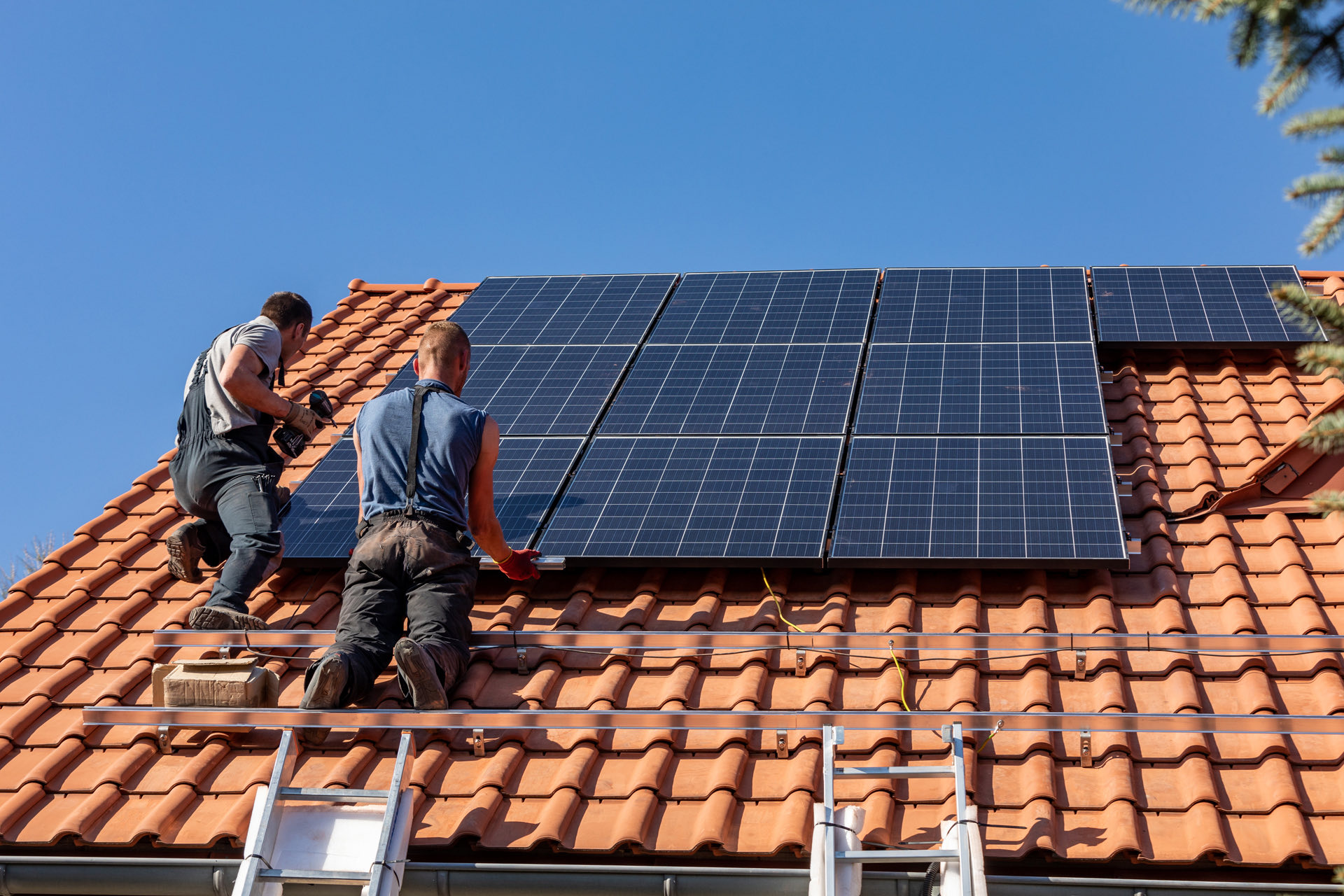
Investing in solar panels can lead to substantial annual savings. With a 4kWp solar array and the 5.5p/kWh Smart Export Guarantee (SEG) tariff, you could experience financial benefits amounting to £586 each year. Incorporating battery storage with your solar panels may enhance these gains even further.
Homeowners utilizing both solar panels and battery storage have the potential to save up to £713 on a standard variable tariff. Reach out to our Richmond team to discover more about the SEG tariffs and how you can sell your surplus energy back to the grid.


